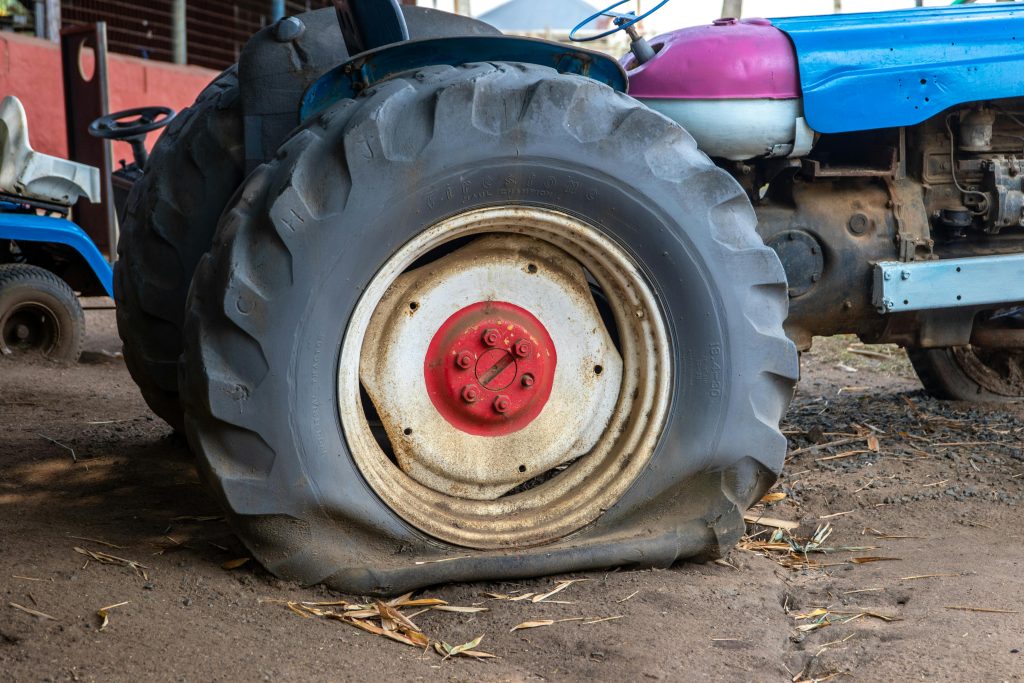
A flat tyre is one of the most common breakdowns drivers face. Knowing how to change a tyre safely is an essential skill every driver should have. Here’s exactly what to do.
Before You Start — Safety First
Pull completely off the road onto a flat, stable surface. Turn on your hazard lights, apply the handbrake, and if available place warning triangles 45 metres behind your car. Never change a tyre on the hard shoulder of a motorway — call for roadside assistance instead.
What You’ll Need
- Spare tyre (check it’s inflated!)
- Jack (usually stored under the boot floor)
- Wheel brace/lug wrench
- Vehicle owner’s manual (to locate jack points)
- Wheel wedges or rocks (to stop the car rolling)
Step-by-Step
Step 1: Loosen the lug nuts slightly while the tyre is still on the ground (turn anti-clockwise). Don’t remove them yet — just break the resistance.
Step 2: Consult your manual for the correct jack points on your vehicle. Placing the jack in the wrong position can cause serious damage to the car’s chassis.
Step 3: Raise the car until the flat tyre is about 15cm off the ground. Remove the lug nuts completely and pull off the flat tyre.
Step 4: Mount the spare tyre, hand-tighten the lug nuts in a star pattern (not circular — this ensures even seating).
Step 5: Lower the car and fully tighten the lug nuts. Check the spare tyre’s pressure as soon as possible.
Important: Spare Tyre Limits
Most spare tyres (especially “space savers”) are designed for temporary use only — typically no more than 50 miles at speeds below 50mph. Get your punctured tyre repaired or replaced as soon as possible.